Tow Truck: A Pre-Trip Checklist to Avoid Breakdowns
A breakdown can happen to anyone, anywhere, and a few simple checks before you hit the road may be the difference between a smooth trip and an unwanted call for a tow truck. Whether you are heading along the Pacific Motorway through the QLD/NSW border, navigating the heavy traffic around Tweed City, or taking a longer run up to Brisbane, a quick pre-trip inspection can save you time, stress, and money. This guide walks you through a practical checklist that every driver should know.
Why Pre-Trip Checks Matter More Than You Think
A few minutes of preparation before driving can prevent the most common roadside emergencies. Mechanical faults are among the leading causes of breakdowns on busy corridors like the Pacific Highway near Tweed Heads, NSW, where traffic volumes are high and safe stopping options can be limited. Getting stranded on a major road is stressful for you, other drivers, and the tow truck operator who has to attend in heavy traffic. Prevention is always the smarter approach.
Check Your Tyres First
Tyres are your vehicle's only contact with the road. Before every trip, inspect each tyre for obvious cuts, bulges, or embedded objects. Check the tread depth across the full width of the tyre and look for uneven wear, which can signal wheel alignment or suspension issues. Do not forget the spare tyre. A flat spare is useless when you need it most.
Tyre pressure is equally important. Under-inflated tyres can overheat at highway speeds, increasing blowout risk. Over-inflated tyres reduce grip and handling. Check pressures when the tyres are cold, and refer to your vehicle's door placard or owner's manual for the correct figures.
Inspect Fluids and Top Them Up
Low fluids are a common cause of engine damage and roadside breakdowns.
Run through this list before a long trip:
- Check engine oil level with the dipstick and look for any signs of leaks under the vehicle.
- Inspect coolant level in the overflow reservoir and ensure the radiator cap is secure.
- Confirm brake fluid is within the recommended range marked on the reservoir.
- Check power steering fluid if your vehicle has a hydraulic system.
- Top up windscreen washer fluid, especially important on long trips where visibility matters.
Running a vehicle low on oil or coolant, particularly in summer heat on the way to Tweed Heads, NSW, can cause rapid engine damage. In severe cases, engine failure on a busy road means you will need a tow truck to get you safely off the carriageway.
What Should You Check Under the Bonnet?
A basic under-bonnet check takes less than five minutes and can catch problems early. Start by examining the battery terminals for corrosion. White or blue powdery buildup on terminals can cause starting problems and, in some cases, a complete power failure on the road. If the battery is more than three years old, consider having it tested before a long trip.
Check the condition of the drive belts. Cracked, frayed, or glazed belts may snap without warning, cutting power to the alternator, air conditioning, or power steering. Inspect hoses for cracks, soft spots, or signs of weeping coolant. These are easy to miss during a quick walk-around but simple to spot when you take a moment to look.
Test Your Lights and Electrical Systems
Walk around the vehicle and confirm all lights are functional. Check headlights, tail lights, brake lights, indicators, and hazard lights. A blown brake light is a safety risk and can attract attention from police. If you are towing a trailer or caravan through the Tweed region, confirm the trailer lighting is working correctly before departure.
Brakes, Wipers, and the Basics
Brakes deserve attention beyond just the fluid level. Listen for any grinding, squealing, or pulsing when you apply the brakes during a short test drive around the block. These sensations often indicate worn brake pads or warped rotors.
Check wiper blades for streaking or skipping. The hinterland areas around Tweed Heads can experience sudden, heavy rain, and compromised wipers reduce visibility quickly. Also confirm your fuel gauge and, if you drive an EV or hybrid, check your charge level and plan stops accordingly.
What to Have Ready if You Still Break Down
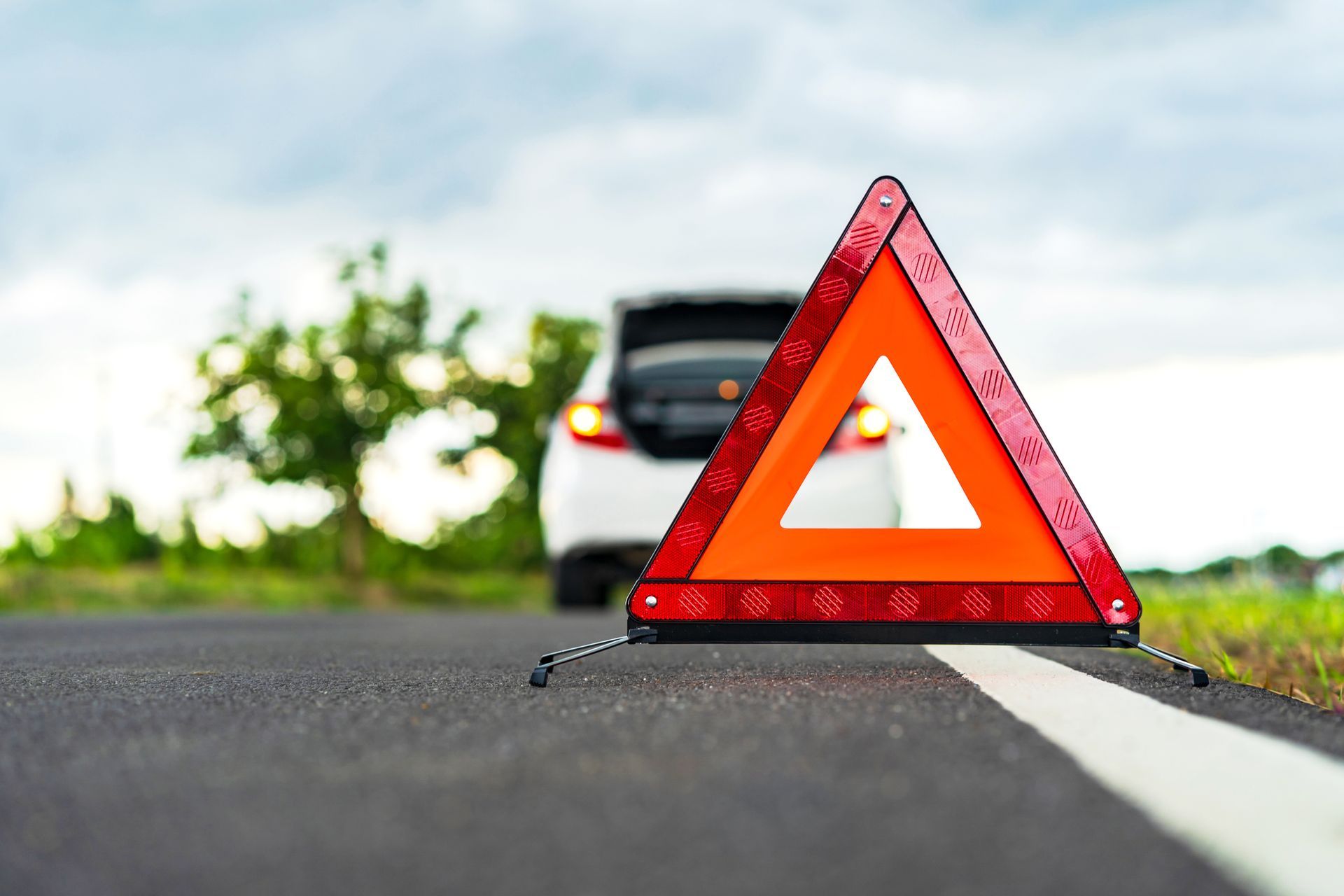
Even thorough preparation cannot prevent every breakdown. If you do end up needing a tow truck in the Tweed Heads area, having the right information ready will help the dispatcher send assistance quickly.
Keep these details handy:
- Your exact location, including road name, suburb, and any nearby landmarks or kilometre markers.
- The make, model, colour, and registration number of your vehicle.
- A clear description of the problem, including any warning lights that appeared.
- Whether the vehicle is in a safe position or posing a hazard to traffic.
- Your insurance details if the tow may be covered under your policy.
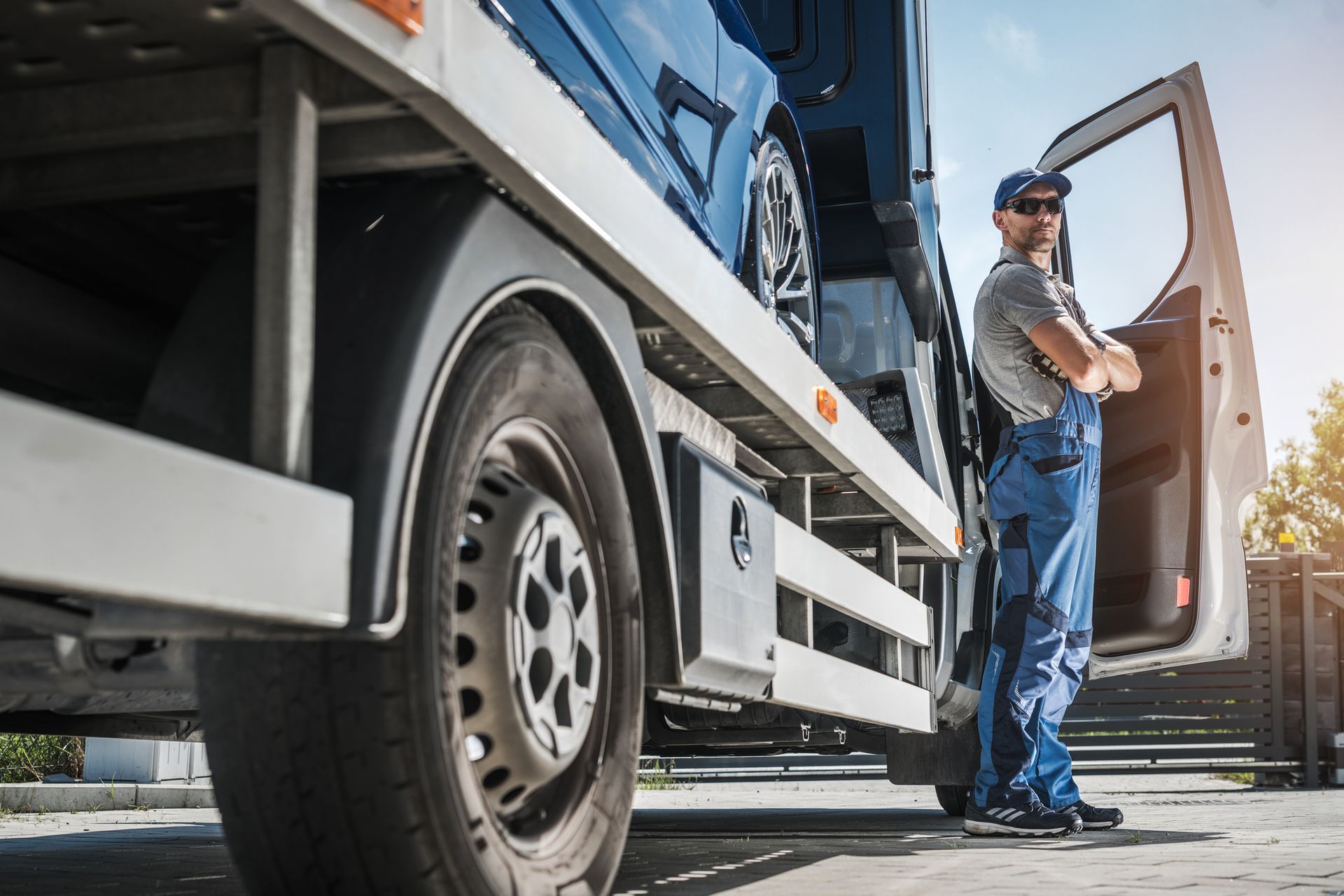
For heavy vehicles or machinery, also note the vehicle's gross mass and any special recovery requirements, as light and heavy vehicle towing need different equipment.
Ready to Drive With Confidence
A consistent pre-trip routine takes just a few minutes but may prevent hours of delay and the cost of emergency roadside assistance. Drivers in and around the Tweed Heads, NSW, area can face unique challenges, from the QLD/NSW border crossing traffic on the Pacific Motorway to summer storm conditions in the coastal hinterland. Staying ahead of potential problems is the most reliable way to keep moving.
If a breakdown does catch you off guard,
Gold Coast Tow Trucks Light & Heavy is available 24/7 to help you get moving again. Call
(07) 5591 1000
for fast, reliable tow truck assistance, view the available
towing services, or
get in touch with the team to discuss your needs.